WHAT IS SIMCHAT TORAH?
On the Jewish calendar, the evening of Saturday, October 3, begins the celebration of Simchat Torah, which means “Joy of the Torah.” The Torah is traditionally understood to have been given to Moses at Mount Sinai. Simchat Torah, however, is a much later tradition. It developed in the medieval period and became the celebration that marks the completion of the annual cycle of reading the Torah—and immediately beginning it again.
The essence of Simchat Torah is simple: the end of one story becomes the beginning of another. We finish reading the Book of Deuteronomy, the last book of the Torah, and then begin again with the first chapter of Genesis. There is no real ending—only a new beginning.
There are many traditions surrounding the holiday. Communities gather in the Synagogues for singing and dancing, children participate, and people dance with the Torah scrolls. It is one of the most joyful celebrations in the Jewish calendar.
When I grew up in Riga, Latvia, which at that time was part of the Soviet Union, religious observance was largely suppressed. For me, Simchat Torah was special. It was one of the few occasions when Jews—many of whom were not observant—would gather at the only surviving synagogue in Riga. People sang and danced, sometimes even in the streets, while watched by KGB agents.
The Torah means “instruction” or “teaching.” It is divided into 54 weekly portions, which are traditionally read in synagogues on Saturdays, with additional readings on Mondays and Thursdays. Some people also make Torah study part of their daily routine. I belong to that group.
Reading and studying the Torah has been part of my life for many years. I even taught daily Torah classes at a Jewish high school. I wrote about my experience reading the Torah in my recent book, Reflections: The Healing Images. For that book, I selected one sentence from each Torah portion and added my own short reflection.
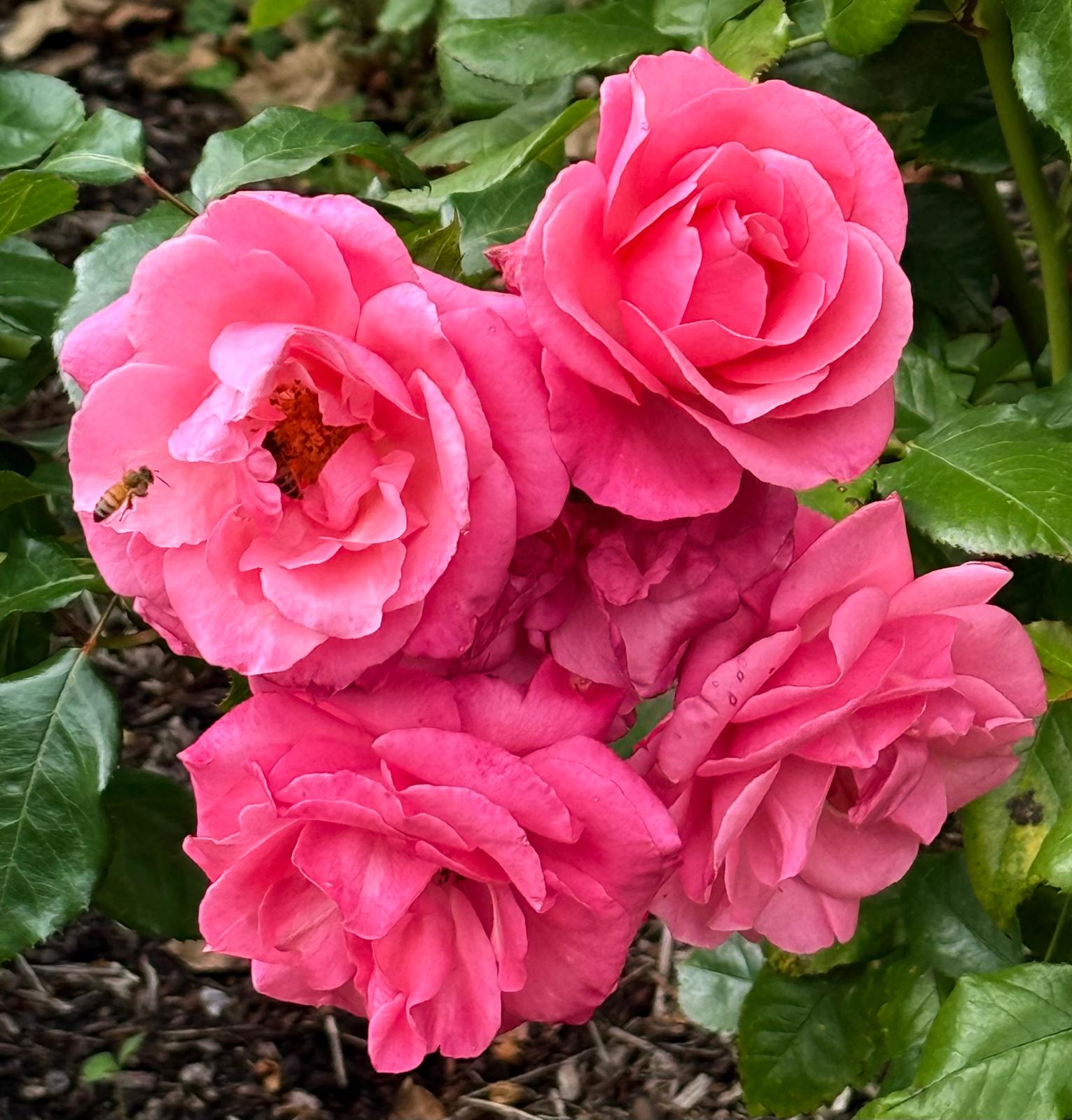
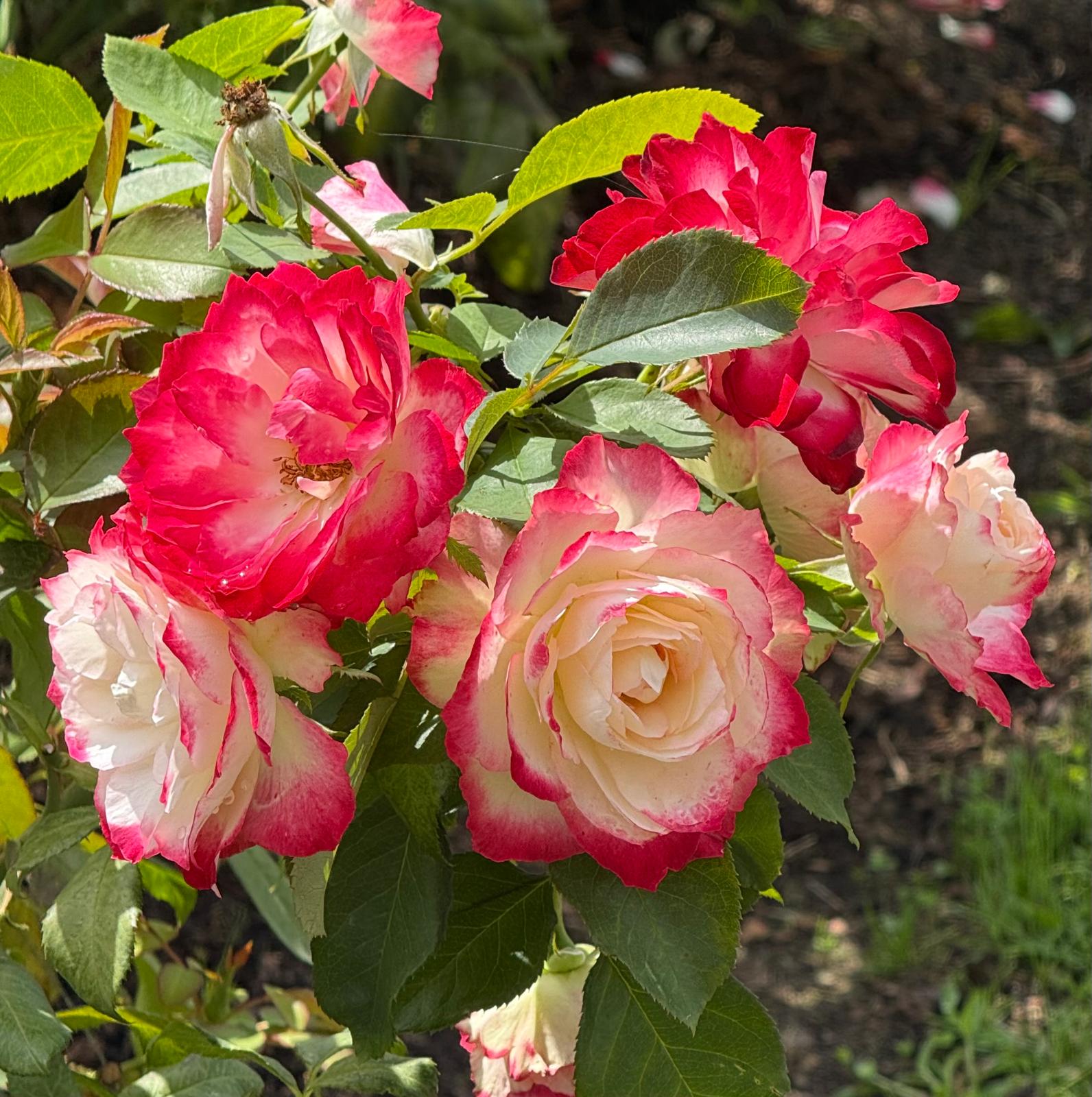
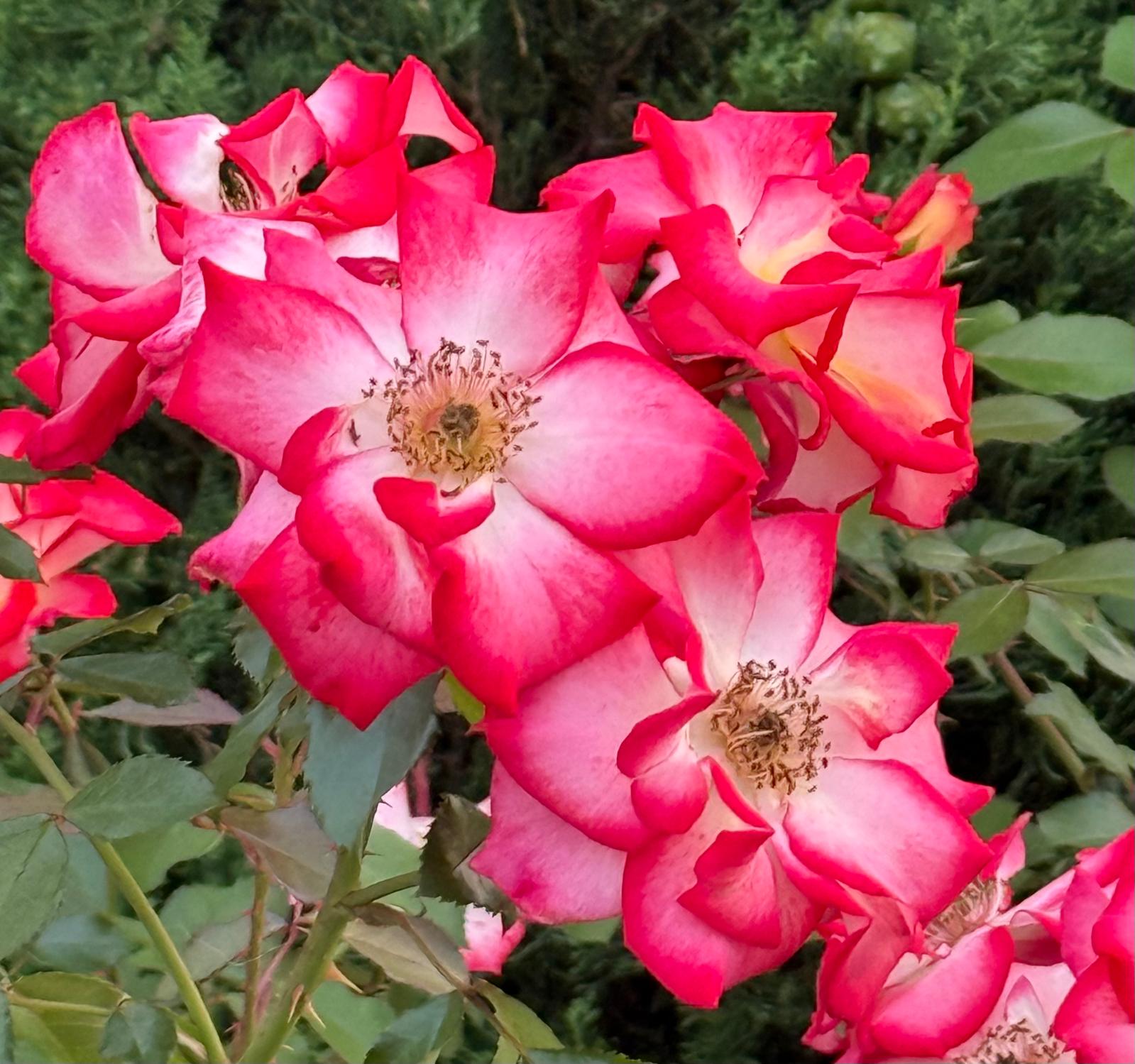
Now, as we begin a new cycle of Torah reading next week, I am planning another book. Each week, I want to start with one of my questions about that week’s Torah portion and then explore answers from the wisdom of Jewish scholars—from traditional interpretations to modern perspectives. I expect the book to be available by the end of 2027. Stay tuned. And to commemorate this beautiful holiday, enjoy these three beautiful natural bouquets of roses.
Simchat Torah reminds us that every ending can be a new beginning.